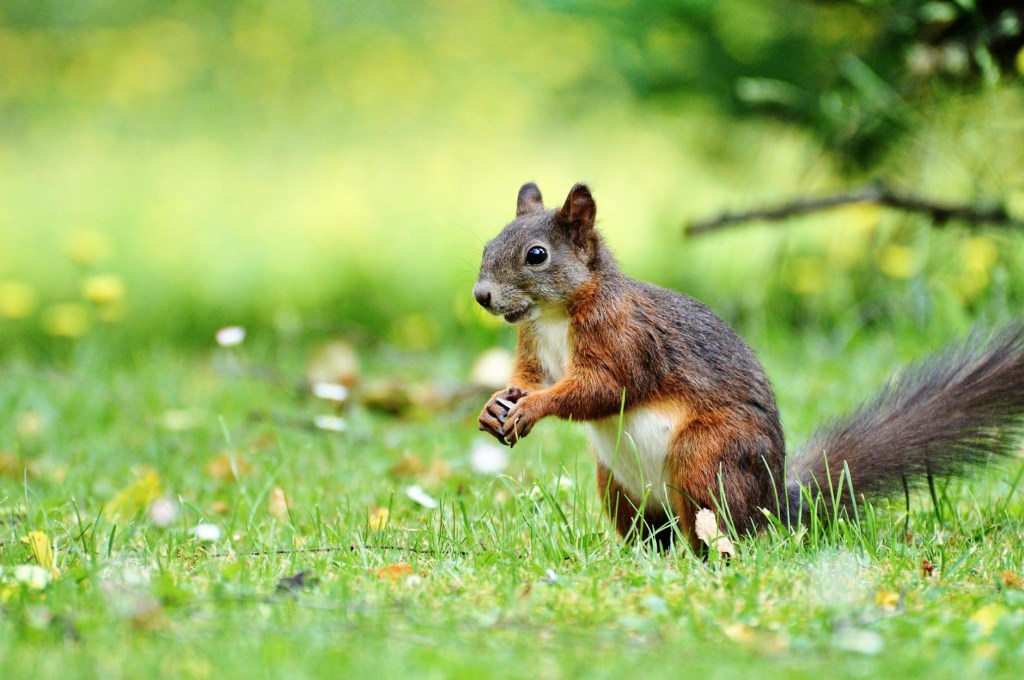
Squirrels are known for their foraging habits, primarily gathering nuts, seeds, fruits, and fungi. In preparation for harsher seasons, many squirrel species engage in scatter-hoarding, where they create numerous small caches of food across their territory. This behavior ensures they have access to sustenance when resources are scarce. Their remarkable spatial memory allows them to relocate these caches, though some forgotten seeds may germinate.
Squirrels employ a variety of vocalizations and body language to communicate. These signals can indicate alarm, aggression, discomfort, or mating intentions. For instance, specific calls are associated with particular behaviors, such as alerting others to predators or establishing dominance hierarchies.
While adept at evading predators through agility and camouflage, squirrels are not without threats. Recent observations have documented unexpected behaviors, such as California ground squirrels hunting and consuming wolves, indicating a more omnivorous diet than previously understood. This adaptability may play a role in their survival strategies.
Squirrels are versatile in their nesting habits, often constructing dreys—spherical nests made of twigs and leaves—in the forks of trees. These nests provide shelter and protection for raising their young. Some species may also utilize tree cavities or even human structures for nesting, showcasing their adaptability to different environments.
Female squirrels typically give birth to altricial young, meaning the infants are born blind, hairless, and dependent on maternal care. The mother invests significant time and energy into nurturing her offspring until they are ready to venture out on their own. This period is crucial for the survival and development of the young squirrels.
 Animalstories