Snapping turtLe

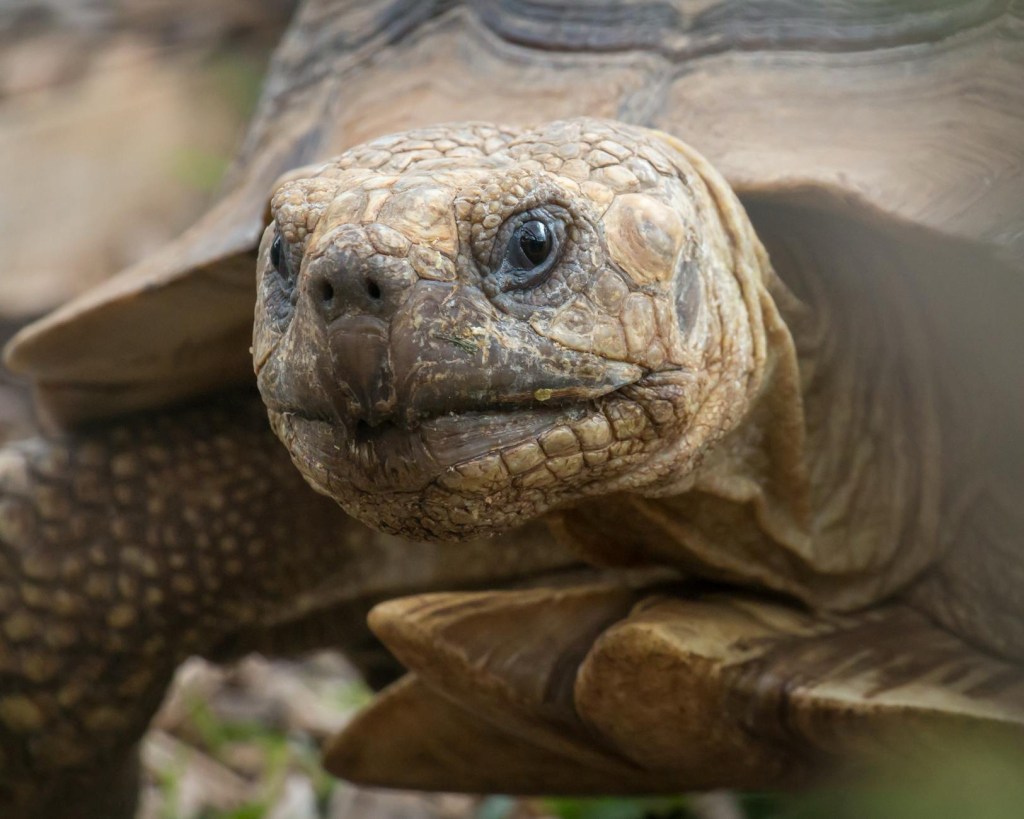
Deep in the heart of the murky swamp, where the water ran dark and the reeds whispered secrets to the wind, lived a mighty old snapping turtle known as Snapjaw. He was ancient, his shell worn and scarred from battles past. His beady eyes watched the world with patience, and his powerful claws, sharp as hooks, were feared by all who dared threaten him.

One afternoon, as the golden light of the sun trickled through the trees, Snapjaw basked on a half-submerged log, enjoying the warmth. The swamp was his home, and he knew every hidden path beneath the water, every shadow where fish and frogs lingered.

But danger lurked that day. A young alligator named Crooktail, bold and reckless, had been stirring trouble in the swamp. He had already driven out the smaller turtles, snapping at them for sport. Now, he had set his sights on Snapjaw, eager to prove himself as the new king of the waters.

With a sudden splash, Crooktail lunged from the reeds, his jaws wide. “Move aside, old turtle! This swamp belongs to me now!”

Snapjaw barely moved, his ancient eyes locking onto the young predator. “Foolish gator,” he rumbled, his voice like the creak of old wood. “I’ve seen your kind come and go.”

Crooktail charged, jaws snapping—fast, but not faster than Snapjaw. With a sudden burst of strength, the old turtle shot out his mighty claw, raking it across the gator’s snout. The swamp echoed with a sharp hiss of pain as Crooktail recoiled, blood seeping into the water.

But Snapjaw wasn’t done. He lunged forward with surprising speed, his sharp claws striking again, this time grabbing hold of the gator’s soft underbelly. He twisted with a strength that only time and experience could give. Crooktail thrashed, his tail slapping against the water, but Snapjaw’s grip was unrelenting.

“You may have sharp teeth, young one,” Snapjaw growled, “but I have survived storms, droughts, and hunters. My claws are my shield, my weapons, and my history.”

Crooktail finally wrenched himself free, gasping and retreating into the reeds, his pride wounded as much as his body. He would not challenge the old turtle again.

As the ripples faded and silence returned, Snapjaw climbed back onto his log, the sun warming his shell once more. He had fought many battles in his time, and he would fight many more. But with his powerful claws and the wisdom of the swamp, he knew he would always endure.

And so, the snapping turtle remained the silent guardian of the waters, feared, respected, and undefeated.
The long Migration of the wild water Buffalo.

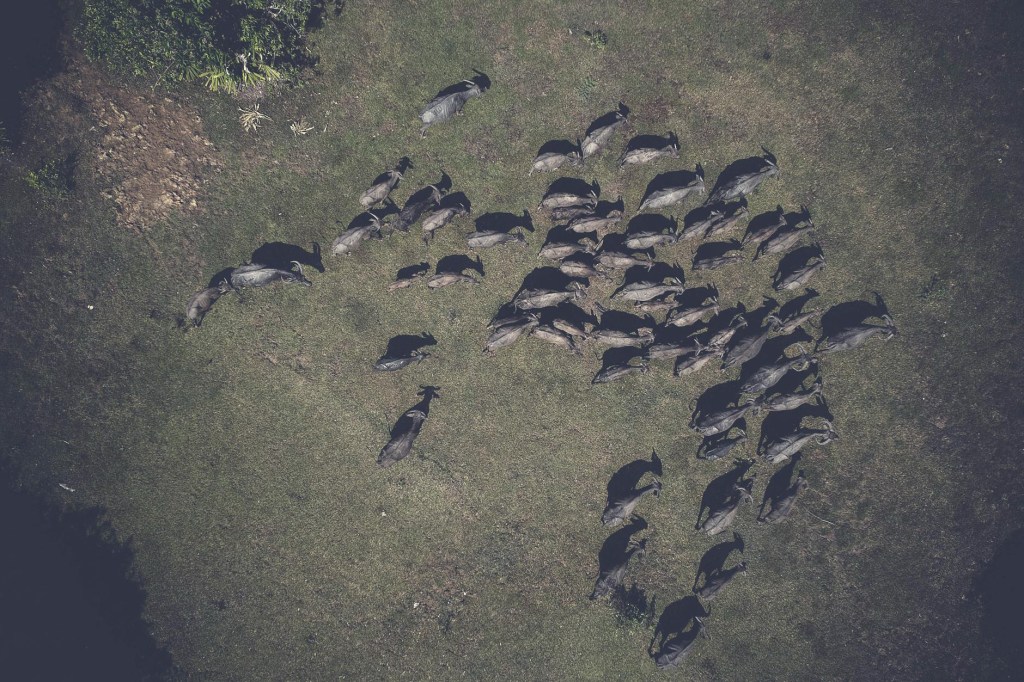
The sun hung low over the vast floodplains, casting golden ripples across the water. Deep in the heart of the wetlands, the great herd of wild water buffalo stirred. The air was thick with the scent of damp earth and the distant calls of unseen birds. It was time. The migration had begun.

At the head of the herd stood Bantu, the oldest and strongest bull. His massive horns curved like crescent moons, a symbol of wisdom and strength. He had led the herd for years, guiding them through seasons of plenty and hardship. This journey would be no different.

The wetlands were drying, and the herd needed to find new grazing lands before the last pools of water disappeared. Calves nudged their mothers, their eyes wide with uncertainty. The elders knew the dangers that lay ahead—crocodile-infested rivers, prowling predators, and the relentless sun. But there was no choice. They had to move.

As the first buffalo stepped into the open plains, the ground trembled beneath their hooves. Dust rose into the sky, marking their path. For days, they walked, the young struggling to keep up, the elders pushing forward despite their aching limbs.

One evening, as they reached the banks of a wide, slow-moving river, the herd hesitated. The water shimmered under the fading light, hiding what lurked beneath. The crocodiles were waiting. Bantu lowered his head, assessing the danger. He had crossed many rivers, but each time was a test of survival.

With a deep, rumbling call, he stepped forward. The herd followed, their powerful bodies pushing through the current. Then—a splash. A calf cried out as a crocodile lunged, its jaws snapping shut around the young buffalo’s leg. Chaos erupted. Mothers bellowed, bulls charged, and the river churned with the struggle.

Bantu turned, his mighty horns slashing through the water. With one powerful thrust, he struck the crocodile, forcing it to release its grip. The calf scrambled onto the far bank, shaken but alive. The herd gathered around, breathing heavily, their unity stronger than ever.

Days passed, and the journey continued. Through parched lands and endless horizons, they pressed on, until at last, the scent of fresh water filled the air. A lush, green paradise stretched before them—new grazing lands, safe and abundant.

The herd slowed, their weary bodies sinking into the cool marshes. The long migration was over. For now, they would rest, drink, and rebuild their strength.

But Bantu knew that when the seasons changed, the journey would begin again. Because the wild water buffalo were born to roam, to survive, and to endure.

And as long as the rivers flowed and the grasslands stretched toward the sky, their migration would never stop.

Water Buffalo.

The polar bear

The polar lesson.

A skinny polar bear pushed her way out of the snow-covered den, the one she had dug for herself months ago. The crisp Arctic air filled her lungs, refreshing and sharp. For the first time in what felt like forever, she stretched her aching limbs.

Behind her, two tiny bear cubs tumbled out of the den, their fluffy white fur blending into the endless snow. They were hungry—always hungry—and their high-pitched cries filled the silent landscape.

The mother bear knew she had to find food, soon.

She slid down the icy hill on her belly, a trick she had used since she was a cub herself. The little ones followed, tumbling down after her, their cries turning into squeals of excitement as they landed in the fresh snow.

But there was no time for play. She lifted her nose, sniffing the frozen air. Then she saw it—a seal, basking in the weak Arctic sun on a floating block of ice.

The Hunt Begins

With a quiet growl, the mother turned to her cubs, ordering them to stay low and silent. They obeyed, watching as she carefully slipped into the icy water.

She swam without a sound, her thick fur insulating her from the cold. Patience. Precision. That was the key to survival. She surfaced behind the seal, moving like a shadow over the ice. Then, with a sudden burst of power, she lunged.

The seal barely had time to react. In a flash, she dragged it into the water, then swam back toward the shore where her cubs were waiting. They pounced on the meal, biting at the blubber eagerly, but their tiny teeth weren’t strong enough yet.

The mother sighed, nudging them aside. They had much to learn. She tore into the seal, showing them how to eat properly. Soon, the cubs copied her, finally getting their fill.

Learning to Hunt

The next morning, the cubs were hungry again. This time, the mother decided it was their turn to learn. She led them across the ice, watching as they tried to track prey on their own.

For hours, they searched—but with no success. The cubs whimpered in frustration, their bellies rumbling. The mother bear watched them for a moment, then decided to step in. She showed them how to move without making a sound, how to sniff the air for prey, how to watch and wait.

Finally, they spotted a hare nibbling on some frozen grass. The cubs lowered themselves, eyes locked on their target. Then—they leapt!

This time, they did not fail.

The mother bear watched as her cubs eagerly devoured their catch, refusing to share. She let out a small huff of amusement and nodded in approval. They were learning.

They were survivors.

And in the frozen Arctic, that meant everything.

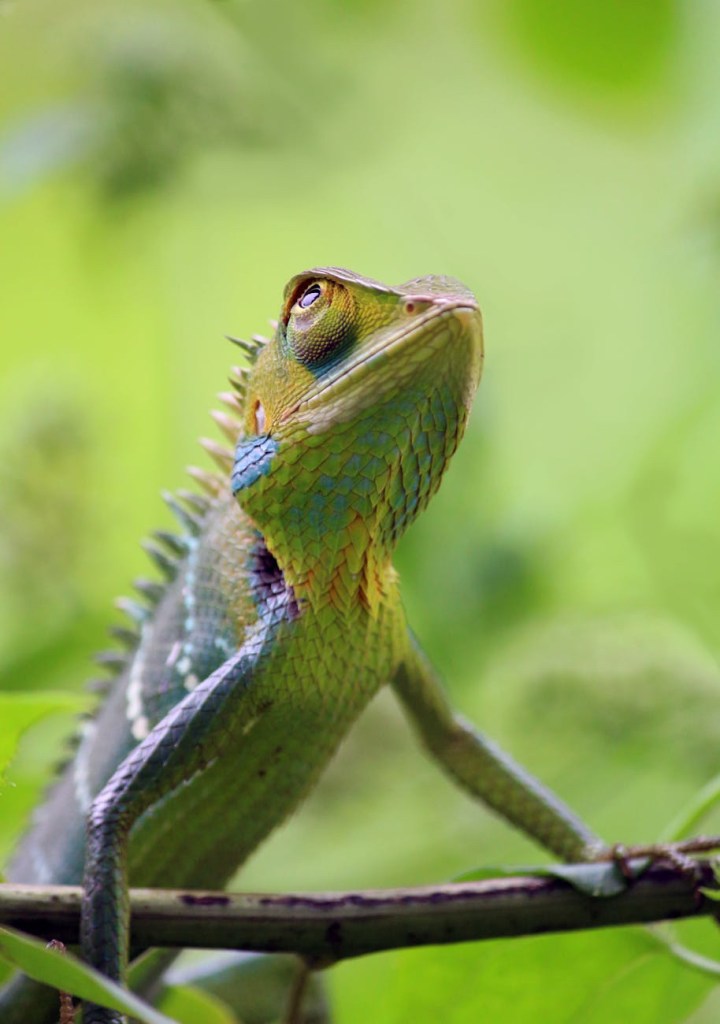
The Cameleon.

The Chameleon.

Deep in the rainforest, where the leaves shimmered with morning dew, a little chameleon named Cammy clung to a tree branch. She was watching the world around her—birds singing, insects buzzing, and a curious monkey swinging from the vines.

Cammy’s friend, a bright green tree frog named Jumpy, hopped onto a nearby leaf. “Cammy! I’ve been wondering—how do you change colors like that? One moment you’re green, the next you’re brown, and sometimes even yellow!”

Cammy grinned. “It’s my secret power! But I’ll tell you if you promise not to tell the monkeys.”

Jumpy nodded eagerly. “I promise! Tell me, tell me!”

Cammy chuckled and explained, “Under my skin, I have tiny, special cells called chromatophores. These cells have different colors in them—red, yellow, and brown. Beneath them, I have even tinier cells that reflect light, like a mirror. When I need to change color, my body moves the colors around, mixing them together like paint!”

Jumpy’s big eyes blinked in amazement. “So, you can choose what color you want to be?”

Cammy nodded. “Sort of! Sometimes I change colors to hide from predators, like when a hawk is nearby. If I turn brown like the tree bark, they don’t see me.”

Jumpy shivered. “That’s so clever! What about when you turn bright colors?”

Cammy smiled. “That’s for talking! When I’m happy or excited, I turn yellow or even red. When I’m calm, I stay green. And if another chameleon comes into my territory, I might flash bright colors to warn them to stay away.”

Jumpy bounced up and down. “That’s amazing! I wish I could change colors like you.”

Cammy patted Jumpy’s head with her tiny foot. “You don’t need to! You’re already bright and bouncy, and no one can catch you. That’s your special power.”

Jumpy grinned. “I guess you’re right! But your color-changing secret is the coolest thing I’ve ever heard!”

Just then, a shadow passed overhead. Cammy quickly shifted to match the branch, blending in perfectly. Jumpy stayed very still, his bright green skin making him look like just another leaf. The hawk flew past, never noticing them at all.

Jumpy let out a relieved sigh. “Wow, Cammy, your secret power just saved the day!”

Cammy winked. “That’s why being a chameleon is so much fun.”

And with that, she turned a cheerful yellow, happy to have shared her colorful secret with a true friend.

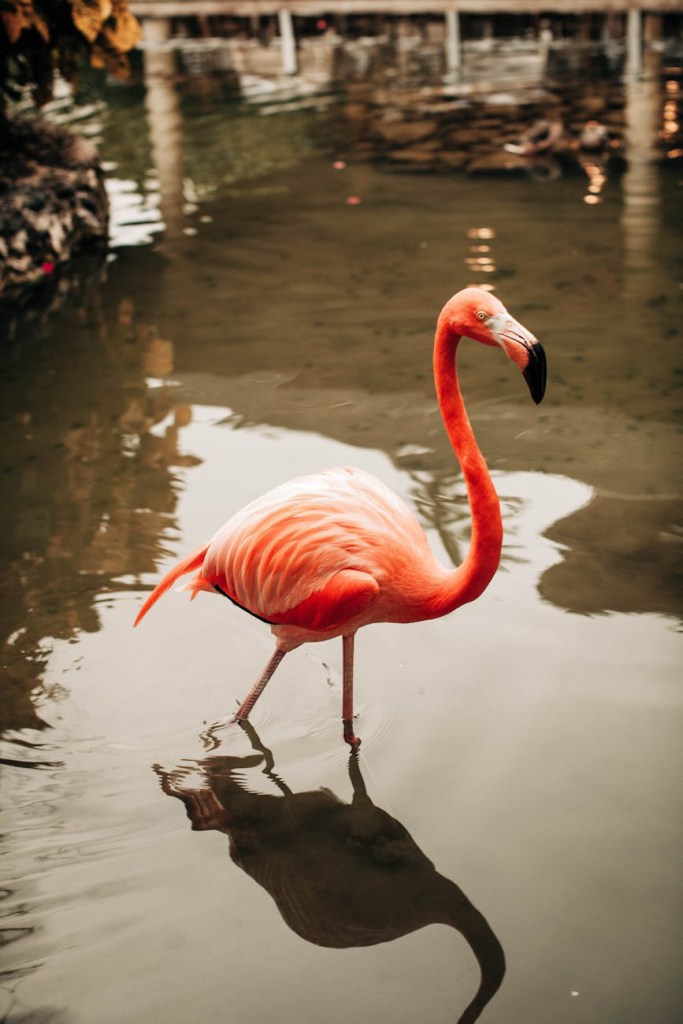
Flora the Flamingo.

Flora the flamingo stood at the edge of the shimmering lagoon, her long legs wading through the shallows. The morning sun painted the sky in soft pinks and oranges, matching the feathers she had so carefully preened that morning. She lowered her head, dipped her curved beak into the water, and took a deep drink.

Nearby, a young sandpiper named Pip tilted his head in confusion. “Flora! How can you drink that? It’s salty! I’d be thirsty for days if I drank that!”

Flora chuckled, shaking droplets from her beak. “Ah, Pip, that’s because flamingos have a special trick!”

“A trick?” Pip hopped closer, eager to learn.

Flora nodded. “Inside my head, just above my beak, I have a secret weapon—special salt glands! They help me get rid of the extra salt so I can drink from the lagoon without a problem.”

Pip’s eyes widened. “So, where does the salt go?”

Flora lifted her head and gave a little shake. “I push it out through my nostrils! It’s almost like sneezing, but just for salt.”

Pip scrunched up his beak, imagining sneezing out salt. “That’s amazing! So you don’t need fresh water at all?”

“Not really!” Flora said. “I can drink fresh water if I find it, but I don’t have to. The salt glands keep me from getting sick, so I can live in places where other birds wouldn’t last a day.” She gestured with one elegant wing to the wide, pink-tinged lake, full of other flamingos wading and feeding.

Pip fluffed his feathers, impressed. “I wish I had secret salt powers.”

Flora laughed, nudging him playfully with her wing. “Every bird has their own special talents. You’re fast, you can dig for tiny crabs, and you have sharp eyes!”

Pip thought about that and puffed out his chest. “I guess you’re right! But still, sneezing out salt is pretty cool.”

Flora smiled and took another drink of the salty water, while Pip happily searched for breakfast, realizing that every bird—big or small—had their own way of thriving in their world.

Birds of Paradise

wordpress.com/advertising/240662901

Deep in the heart of the rainforest, where sunlight filtered through emerald leaves like golden rain, there lived a Bird of Paradise unlike any other. Her name was Liora, and her feathers shimmered with hues no eye had ever seen—colors that changed with her every movement, as if she carried the dawn and dusk within her wings.

Legends whispered that Liora was no ordinary bird. She was the keeper of the Hidden Sky, a secret paradise high above the world, visible only to those with the purest of hearts. It was said that anyone who found it would be blessed with eternal wisdom and harmony.

Many had searched for the Hidden Sky, but none had returned. Some claimed it was a myth, while others believed that Liora tested those who sought it.

One day, a young traveler named Rafi entered the rainforest. He was not a warrior, nor a great scholar—just a boy with a heart full of wonder. His grandmother had once told him stories of the Bird of Paradise, and now, he longed to see her for himself.

Days turned to weeks as Rafi wandered deeper into the jungle. He followed the songs of unseen creatures, the whispers of ancient trees, and the shimmering feathers that sometimes drifted from the sky like falling stars.

One evening, exhausted but determined, he stumbled upon a clearing bathed in silver moonlight. And there, perched upon a branch that seemed woven from light itself, was Liora.

Her voice was like wind through the leaves.

“Why do you seek me, child?”

Rafi hesitated, then spoke from his heart.

“I do not seek to own the Hidden Sky, nor to claim its secrets. I only wish to see its beauty—to know that such a place exists.”

Liora tilted her head, studying him. Then, with a single beat of her wings, the world around them changed.

The jungle melted away into an endless sky, filled with golden clouds and rivers of light. Strange birds sang in harmonies that had never been heard by human ears. Trees with crystal leaves swayed in an unseen breeze.

Rafi gasped. He had found it—the Hidden Sky.

But before he could take a step, Liora spoke again.

“You have seen it, as your heart wished. But to stay, you must leave behind all that you were.”

Rafi thought of his grandmother, the stories she told, and the people who still longed to believe in wonders. He smiled.

“Thank you,” he said, “but I think I must return and tell others that such beauty exists.”

Liora nodded, and with a single breath of wind, he was back in the rainforest, standing in the moonlit clearing. But now, he carried a single feather—one that shimmered with all the colors of the sky.

And so, Rafi returned to his village, not with treasure, but with a story—a story that would keep the magic of the Hidden Sky alive for generations to come.

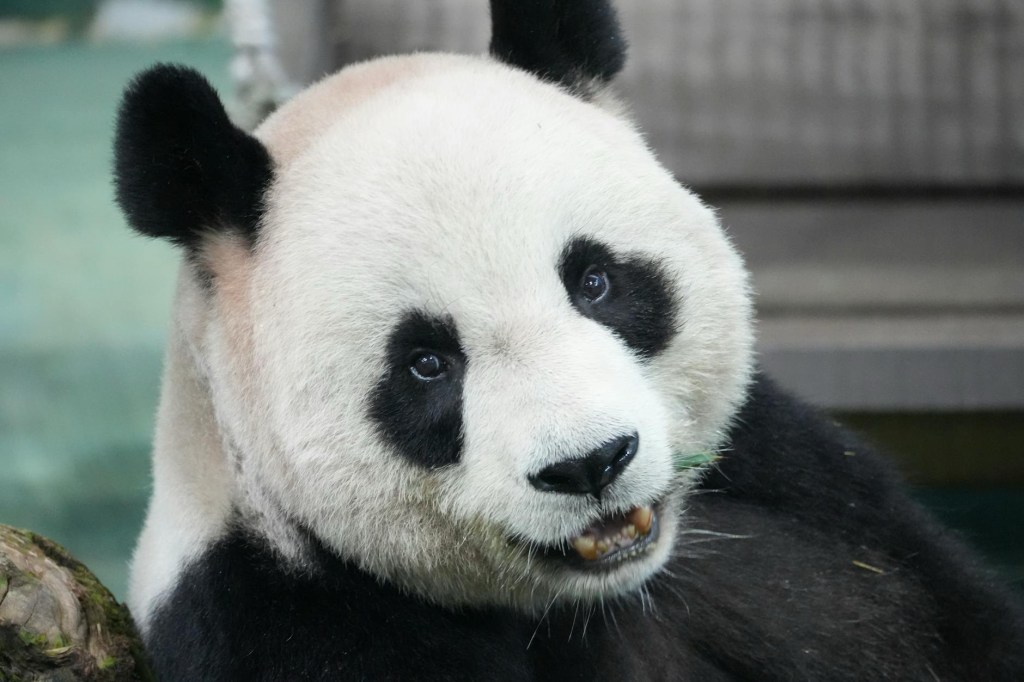
Bamboo and hope

The cold winds howled through the mountains, rattling the bamboo stalks like dry bones. In the heart of the misty forest, a lone panda named Mei trudged through the thinning grove, her paws sinking into the damp earth. Her once-thick fur clung to her ribs, and her stomach ached with hunger. But she had no time to rest—her cub, Bao, was waiting.

Mei had given birth just as the harsh winter arrived, a time when food was scarce. The usual abundance of bamboo had withered under an unexpected frost, and the other pandas had moved further down the valley. But Mei couldn’t leave. Bao was too small to travel, and the journey was too dangerous.

She reached a patch of brittle bamboo shoots and began chewing, but the stalks barely gave any nourishment. With a sigh, she pulled up a few softer stems and carried them back to the hollow tree where Bao lay curled up. His tiny black-and-white body trembled, and he let out a weak cry. Mei placed the bamboo in front of him, nudging it gently.

Bao tried to eat but whimpered. He was too weak.

Panic clawed at Mei’s heart. She had to find more food—something fresh. She had to keep going.

With the last of her strength, she ventured deeper into the forest. The ground was rough, and the wind bit at her face, but she pressed on. Hours passed, and just when she thought she could go no further, she smelled something—fresh bamboo.

A hidden grove, untouched by the frost, stood before her. The green leaves swayed invitingly. Mei rushed forward, devouring as much as she could before gathering as many tender shoots as she could carry.

When she returned, Bao barely lifted his head. But when she placed the fresh bamboo beside him, he sniffed at it, then nibbled. Slowly, he ate. Mei curled around him, her body warming his small frame.

The storm outside raged on, but inside their little shelter, mother and son held onto life. Mei knew they weren’t safe yet, but for now, Bao was eating, and she was by his side.

And as long as she could fight, she would.

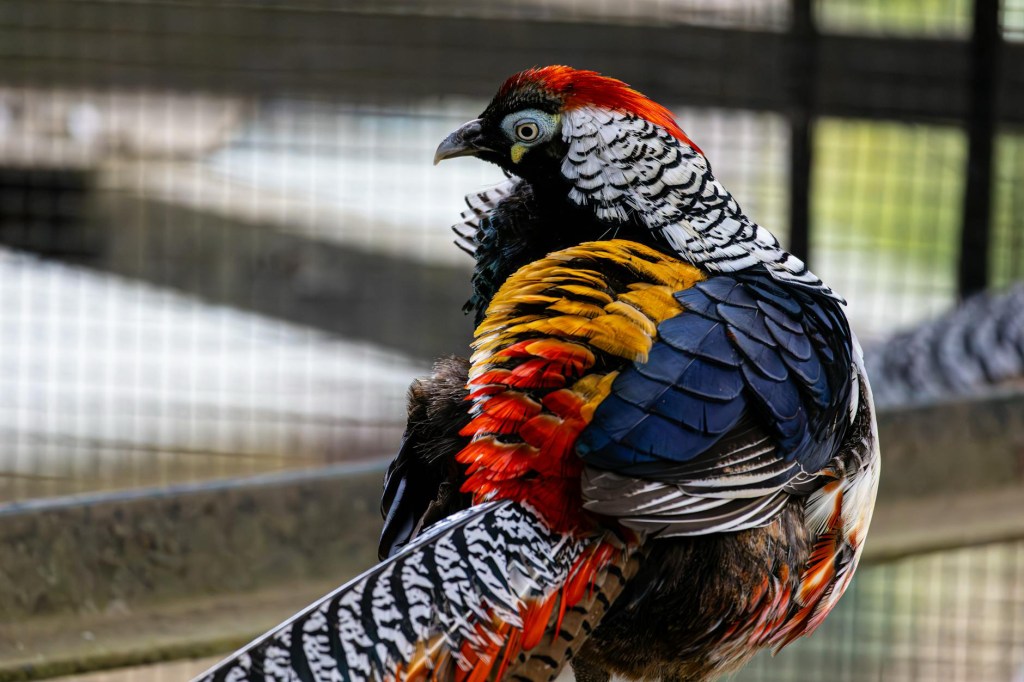
The bird of Paradise.

Bird of Paradise

The Bird of Paradise and the Hidden Sky

Deep in the heart of the rainforest, where sunlight filtered through emerald leaves like golden rain, there lived a Bird of Paradise unlike any other. Her name was Liora, and her feathers shimmered with hues no eye had ever seen—colors that changed with her every movement, as if she carried the dawn and dusk within her wings.

Legends whispered that Liora was no ordinary bird. She was the keeper of the Hidden Sky, a secret paradise high above the world, visible only to those with the purest of hearts. It was said that anyone who found it would be blessed with eternal wisdom and harmony.

Many had searched for the Hidden Sky, but none had returned. Some claimed it was a myth, while others believed that Liora tested those who sought it.

One day, a young traveler named Rafi entered the rainforest. He was not a warrior, nor a great scholar—just a boy with a heart full of wonder. His grandmother had once told him stories of the Bird of Paradise, and now, he longed to see her for himself.

Days turned to weeks as Rafi wandered deeper into the jungle. He followed the songs of unseen creatures, the whispers of ancient trees, and the shimmering feathers that sometimes drifted from the sky like falling stars.

One evening, exhausted but determined, he stumbled upon a clearing bathed in silver moonlight. And there, perched upon a branch that seemed woven from light itself, was Liora.

Her voice was like wind through the leaves.

“Why do you seek me, child?”

Rafi hesitated, then spoke from his heart.

“I do not seek to own the Hidden Sky, nor to claim its secrets. I only wish to see its beauty—to know that such a place exists.”

Liora tilted her head, studying him. Then, with a single beat of her wings, the world around them changed.

The jungle melted away into an endless sky, filled with golden clouds and rivers of light. Strange birds sang in harmonies that had never been heard by human ears. Trees with crystal leaves swayed in an unseen breeze.

Rafi gasped. He had found it—the Hidden Sky.

But before he could take a step, Liora spoke again.

“You have seen it, as your heart wished. But to stay, you must leave behind all that you were.”

Rafi thought of his grandmother, the stories she told, and the people who still longed to believe in wonders. He smiled.

“Thank you,” he said, “but I think I must return and tell others that such beauty exists.”

Liora nodded, and with a single breath of wind, he was back in the rainforest, standing in the moonlit clearing. But now, he carried a single feather—one that shimmered with all the colors of the sky.

And so, Rafi returned to his village, not with treasure, but with a story—a story that would keep the magic of the Hidden Sky alive for generations to come.

Porcupine.

Porcupine

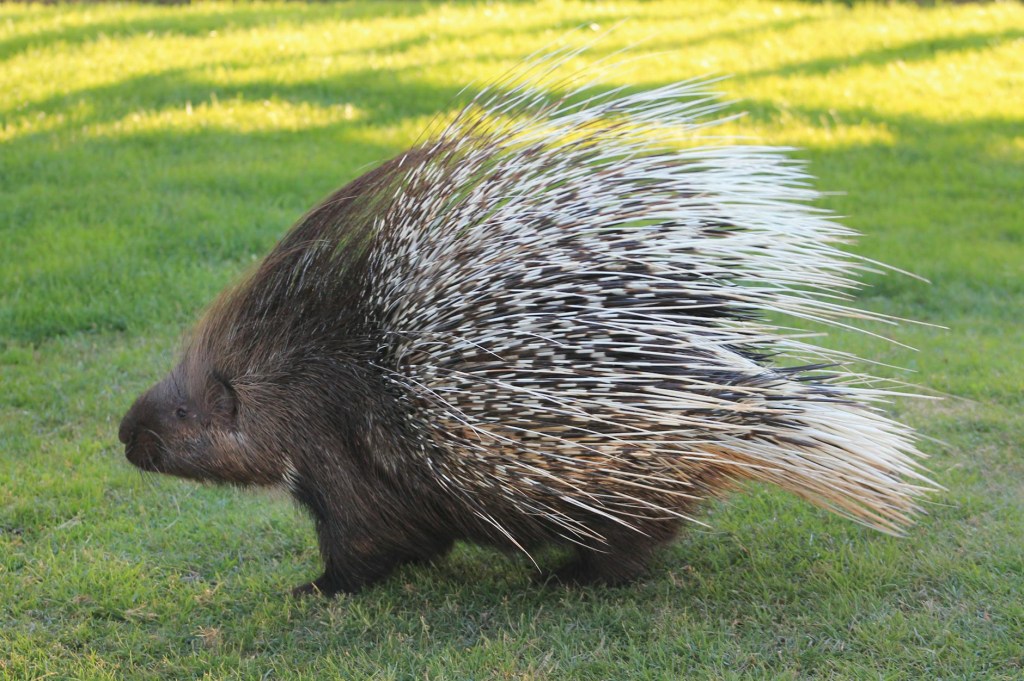
Deep in the heart of the forest, beneath the roots of an ancient oak tree, lived a family of porcupines. The father, Bristle, was a wise old porcupine with quills as long as pine needles. His mate, Fern, was gentle but sharp-witted, and together they cared for their three young porcupettes: Needles, Thistle, and Clover.

The little ones were full of energy, always scampering through the underbrush, their tiny quills rattling like dry leaves. But Bristle always warned them, “Stay close to the burrow. The forest is full of dangers.”

One crisp autumn morning, Thistle, the most adventurous of the three, noticed a bright red berry bush just beyond the clearing. It smelled sweet and delicious. “We should get some for dinner!” she squeaked.

“But Dad said to stay close,” Clover reminded her.

Needles, always eager to prove himself, puffed up his quills. “We’ll be quick! Besides, who would mess with a porcupine?”

The three siblings scurried off toward the bush, their tiny paws rustling the fallen leaves. They feasted on the juicy berries, giggling as red juice stained their whiskers. But just as they were about to return, a shadow passed overhead.

A fox.

Its golden eyes gleamed with hunger as it stepped closer, its nose twitching. “Well, well, what do we have here?” the fox purred.

The porcupettes froze. They had never been this close to a predator before.

Clover whimpered, “What do we do?”

“Remember what Dad taught us,” Needles whispered.

In an instant, the three of them turned their backs to the fox and raised their quills. The fox hesitated. It had been expecting easy prey, not a mouthful of sharp spines.

Thistle stomped her little foot. “Go away!” she squeaked.

The fox licked its lips but took a cautious step back. Then—CRASH!

Bristle and Fern burst through the underbrush, their quills bristling like a thousand tiny spears. Bristle let out a deep, rumbling growl, and Fern stamped her feet, sending a clear message: Our family is not to be messed with.

The fox knew it was outmatched. With a flick of its tail, it slunk back into the shadows.

Bristle turned to his children, his sharp eyes softening. “That was reckless,” he scolded. “But you stood together, and that is the strongest defense of all.”

Fern nuzzled them gently. “Next time, listen to us. The forest is full of wonders—but also dangers.”

The three porcupettes nodded, their hearts still racing. As they followed their parents back home, Thistle whispered, “That was kind of exciting.”

Needles grinned. “Yeah, but next time, let’s tell Dad first.”

Clover giggled. “Agreed.”

And so, under the safety of the ancient oak, the porcupine family curled up together, safe, warm, and a little wiser.

Praying mantises

Praying mantises get their name from their distinctive “praying” posture, where they hold their forelegs together as if in prayer.They have two large compound eyes and three simple eyes, giving them excellent vision and the ability to detect movement up to 60 feet away. Mantise canrotate their triangular heads 180 degrees, allowing them to survey their surroundings Nature:They are carnivorous and primarily eat other insects, but larger species may catch small birds, lizards, or even frogs. Praying mantises are masters of camouflage and often wait motionless for prey to come close before striking with their lightning speed: Female mantises are infamous for sometimes eating males during or after mating, though this behavior is less common in the wild than in captivity.Females lay eggs in a foam-like substance that hardens into a protective case. Each ootheca can contain dozens or even hundred:Nymphs hatch from the ootheca and look like tiny versions of adult mantises. They molt multiple times before reaching maturity. Praying mantises are found on every continent except Antarctica. There are over 2,400 species worldwide. Camouflage Experts: They blend into their environments, often mimicking leaves, flowers, or even sticks to avoid predators and ambush prey.